
“Warehouse cleaning near me” is one of the most under-served searches in Central Florida. Most results are directory listings, franchise landing pages, or generic office cleaners masquerading as industrial capable. That is a problem for warehouse operations managers along the I-4 corridor who need real industrial cleaning judgment, not a residential crew driving a small van.
This guide walks you through how to evaluate a commercial cleaning company for a warehouse or distribution center — the specific certifications, equipment, and supervision to look for, plus the questions to ask before you sign anything. It is written for logistics leaders in Orlando, Sanford, Lakeland, Deltona, Winter Haven, Kissimmee, Ocala, and along the I-4 corridor where Central Florida distribution volume actually moves.
By the end you will have a step-by-step framework to select a warehouse cleaning partner who can protect your slabs, keep your OSHA safety scores clean, and scale up when your operations flex during peak seasons. Our warehouse cleaning services guide covers the underlying scope in more detail if you want to read that alongside this one.
Key Takeaways
- Warehouse cleaning is a different discipline than office cleaning. Different equipment, different chemistry, different OSHA training, different supervision.
- Ride-on scrubbers, industrial vacuums, and forklift-scale awareness separate real warehouse crews from residential-first vendors driving a van.
- I-4 corridor coverage matters — the vendor should have crews mobilized from Orlando to Lakeland with backup coverage for scheduled surges.
- OSHA compliance is non-negotiable at industrial sites. Ask for training records, PPE stock, and site-specific safety plans before you evaluate scope.
- Peak-season flex capacity is what separates a workable vendor from a great one — can they scale 30–60% during Q4 without hiring temps you did not vet?

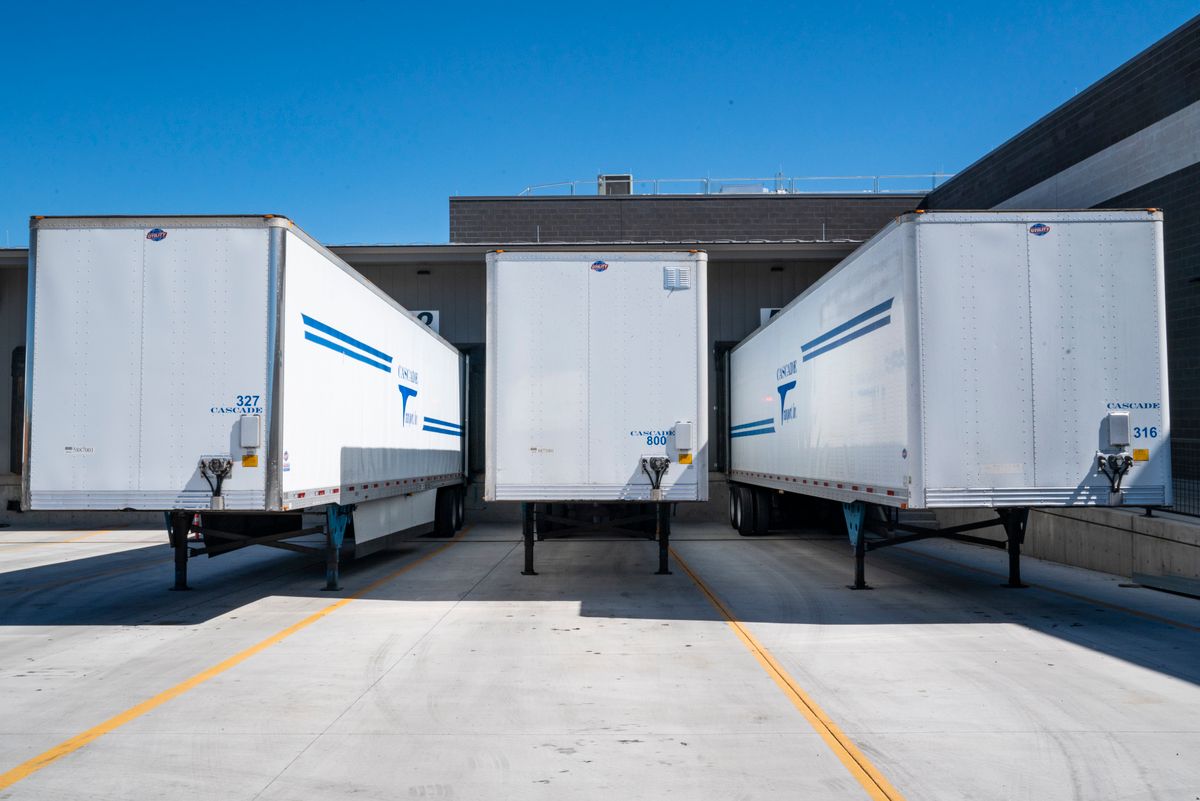
Warehouse cleaning near me searches surface a long list of vendors. Most of them primarily clean offices and just check the “industrial” box in their marketing. Filter aggressively before you spend time reading proposals.
Ask the vendor two questions: “What ride-on scrubber models do you operate?” and “Where is your closest one to my facility?” A vendor without answers has never cleaned a real warehouse. Standard fleet expectations for a Central Florida warehouse cleaner:
Warehouse crews need OSHA 10 or OSHA 30 certification, forklift traffic awareness training, chemical handling (SDS binder present on-site), and site-specific safety induction before their first shift. If the vendor cannot produce training records the same day you ask, they are not a warehouse cleaner.
Ask for three references at logistics or manufacturing facilities in your submarket. If they can only produce office building references, keep looking. Warehouse cleaning is craft-specific — someone who has never cleaned a distribution center will damage your floor coating on their first strip pass.
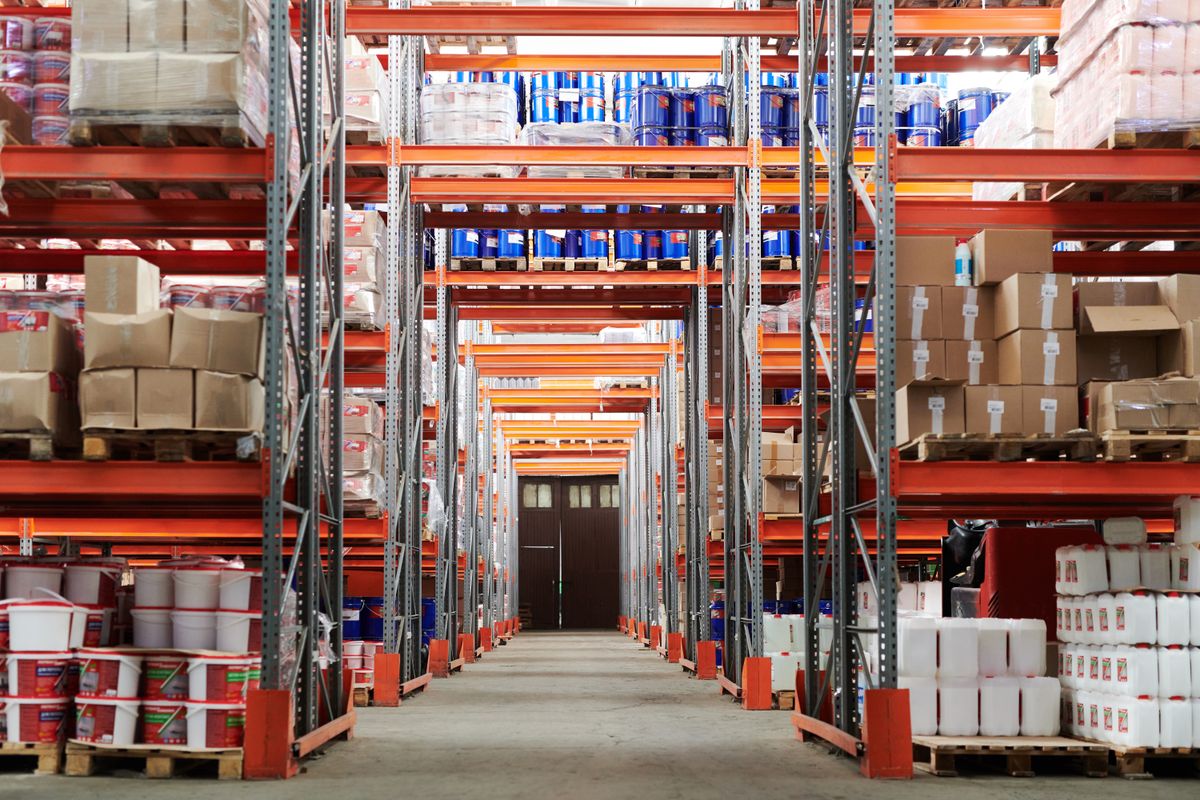
Warehouse scope of work is different from office. Get the vendor to walk your site and build a scope specific to your slab, racking, dock configuration, and product handled. A generic “warehouse cleaning package” is a red flag.
Food and beverage warehouses need pest-vector cleanliness — attention to spill cleanup, dumpster area maintenance, and pest-attractant control that dry-storage warehouses do not. Cold-storage facilities need freezer-safe chemistry and slower application times to prevent moisture events. Automotive parts warehouses handle lubricants and metal shavings that require specific PPE and hazwaste protocols. Ask the vendor to name their product-specific protocol before signing.
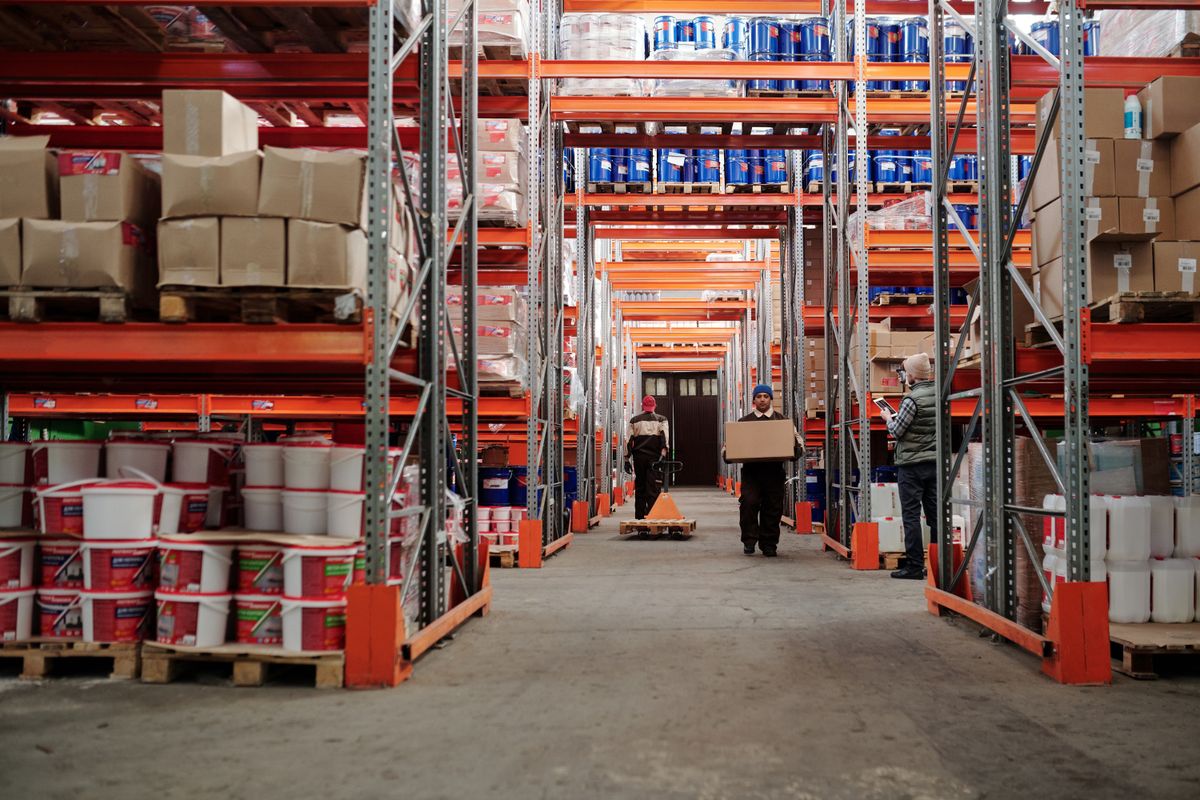
Warehouse and distribution center environments are OSHA-regulated. The wrong cleaning vendor can lose you inspection points, trigger incident reports, or leave you with liability when a crew member is injured on your slab.
Every crew member on your site should carry OSHA 10 at minimum; supervisors should hold OSHA 30. Training records include: chemical handling and hazard communication (HazCom), lockout/tagout awareness for MEP-adjacent work, forklift-and-pedestrian traffic patterns, and slip-trip-fall prevention.
A serious warehouse cleaning vendor will build a site-specific safety plan for your facility — where crews stage equipment, which aisles are safe during forklift operation, where the emergency shut-offs are, and which crew members are trained on your specific product handling. Generic corporate safety manuals do not count.
Warehouse work needs higher insurance limits than office. Standard minimums:
Ask for the COI before you go further. This is the same discipline outlined in our cleaning contract clause guide — insurance verification comes before scope negotiation.

Warehouses along the I-4 corridor share a specific operational reality — high-volume trucking, hurricane exposure, and rapid seasonal flex. Your cleaning vendor needs to handle all three.
A serious warehouse cleaner in Central Florida operates from Orlando outward — Sanford, Lake Mary, Winter Park, Kissimmee, Lakeland, Deltona, DeLand, Winter Haven, and up toward Ocala and Jacksonville. Ask the vendor to name their nearest supervisor to your facility. If the answer involves driving 90 minutes each way, response time will suffer.
For a Central Florida warehouse, standard SLA expectations:
Q4 warehouse volume climbs 30–60% for most e-commerce and consumer goods DCs. Your cleaning vendor should be able to scale up frequency, headcount, and specialty rotations without dropping quality — and without hiring random temps you have not vetted. Ask specifically: “How do you scale for peak?” A vendor who cannot answer will bottleneck your Q4.
Warehouse cleaning proposals hide as many things as office cleaning proposals — and the misses cost you more because your operational risk is higher.
Every line item should have a frequency, a defined task, and an inspection criterion. “Racking dust — as needed” is not scope. “Racking dust — quarterly, all main aisles, HEPA backpack, before/after photo verification” is scope. Read our how to read a cleaning proposal post for a full walkthrough.
Toilet paper, roll towels, hand soap, liners, and floor pads should be pass-through at cost + 10–15% handling. If the proposal buries consumables inside a fixed monthly fee with no unit pricing, the vendor is running consumables as a profit center. Ask for unit pricing before you sign.
Long-term warehouse contracts favor the vendor. Contract-free arrangements — the way Citi operates — give you 30-day exit rights and force the vendor to keep earning your business every month. See our contract-free deep dive for the mechanics. For head-to-head bid comparison, our bid comparison tool normalizes proposals against a single scope so you are actually comparing apples to apples.
Slab cleaning with ride-on scrubbers, racking and high-dust rotation, dock and loading area cleaning, restroom and break room service, trailer yard sweep, and exterior hardscape maintenance. Frequency and depth vary by product handled and traffic volume.
Ranges $0.03–$0.08 per square foot per month at 3x/week for a standard dry-storage facility. Office areas within the warehouse quote at office rates ($0.08–$0.18). Food and cold storage sit at the top of the range or above. See our commercial cleaning cost guide for detailed pricing.
Food-grade daily. High-traffic dry storage 2–3x/week. Low-traffic dry storage weekly. Frequency drops floor life significantly — under-cleaned slabs need epoxy replacement 30–40% sooner than properly maintained ones.
Yes — real industrial cleaning vendors operate their own ride-on scrubbers, walk-behind auto-scrubbers, industrial vacuums, and pressure washers. If the vendor asks to rent from your facility, they are not equipped to clean warehouses.
No. Contract-free vendors like Citi offer month-to-month arrangements. Long-term contracts favor the vendor and lock you into a fixed scope that may not match your operational flex.
OSHA 10 or 30 for crew and supervisors, hazard communication (HazCom), workers-comp coverage, general liability at $2M/$4M or higher, and Green Seal-aligned chemistry and floor care documentation. Ask for the actual paperwork before you evaluate scope.
Yes, when the vendor operates across Central Florida with regional supervisors. Ask for a named supervisor per site and consolidated monthly reporting. The day porter vs. night porter question is worth thinking through if you run two- or three-shift operations.
Primary coverage Orlando, Winter Park, Sanford, Lake Mary, Kissimmee, Winter Haven, Lakeland, Deltona, DeLand, and out to Ocala and Jacksonville. Family-owned, M/WBE, OSHA-certified, Green Seal-aligned, contract-free, 24/7, serving Central Florida distribution and logistics since 2004. (407) 540-1850.
The vendors who show up well on “warehouse cleaning near me” are not automatically the right partners for your facility. The right choice comes from a five-step vetting process — not a race to the cheapest quote.
Here is a four-step action plan you can run this week:
Warehouse cleaning is craft work at industrial scale. The right partner protects your slabs, your inspection scores, and your Q4 volume flex. That is the whole job.
